Seven herbs for indigestion
By Melissa Breyer
More from Care2 Green Living blog
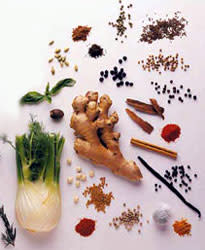
Common causes for indigestion include overeating, eating too quickly, fatty or greasy foods, too much caffeine, too much alcohol, too much chocolate, nervousness, and emotional trauma. Translation: The holidays.
Indigestion, also known as dyspepsia, is a term used to describe one or more symptoms including a feeling of fullness during a meal, uncomfortable fullness after a meal, and burning or pain in the upper abdomen; it may cause bloating, belching, and nausea. One thing is certain, it's no fun!
If that last wafer-thin mint has you cowering on the couch, you may want to try one of these natural aids for indigestion. Herbs have been used for millennia to treat any matter of ailments, and indigestion seems to be one woe that is well-suited for natural remedies.
Fennel / Fennel Seed
There is a reason Indian restaurants serve the fennel seed mix, Mukhwas, after dinner. Fennel seed has long been used to help fight gas, cramps, and acid indigestion, and to help ease spasms in the intestinal tract.
Fennel has a long history of use in both food and medicine. Traditionally, it is said to act as a carminative, which means that it helps the body expel gas and sooth indigestion. Fennel is also a common ingredient in "gripe water," a traditional (and very alcoholic, by the way) preparation used for treating infant colic.
Fennel leaves can be used to make tea. NYU Langone Medical Center says that a typical dose of fennel is 1 to 1 1/2 teaspoons of seeds per day.
Lemon Balm
Lemon balm is a member of the mint family and has been a favorite since the Middle Ages for reducing stress and anxiety, abetting sleep, sparking appetite, and easing indigestion.
These days, lemon balm is commonly mixed with other calming herbs to help promote relaxation. Evidence suggests that lemon balm, in combination with other herbs, may help treat indigestion -- although just soothing the stress alone can sometimes help with dyspepsia.
To reduce indigestion, flatulence, or bloating, the University of Maryland Medical Center recommends:
Capsules: Take 300 - 500 mg dried lemon balm, 3 times daily or as needed.
Tea: 1.5 - 4.5 grams (1/4 - 1 teaspoonful) of dried lemon balm herb in hot water. Steep and drink up to 4 times daily.
Tincture: 2 - 3 mL (40 - 90 drops), 3 times daily
Turmeric
Turmeric is the little minx of the spice drawer -- super bright, spicy, and boasting a broad array of health claims. You may know it as the main spice in curry and the one which imparts that intense golden glow, but turmeric is also used for health remedies.
In traditional Chinese medicine and Ayurvedic medicine, turmeric has been used to aid digestion and liver function, relieve arthritis pain, and regulate menstruation. It has also traditionally been used for heartburn, stomach pain, diarrhea, intestinal gas, and stomach bloating.
According to the NYU Langone Medical Center, turmeric's superpower comes in the form of the substance, curcumin, that, among other properties, may stimulate gallbladder contractions. One double-blind, placebo-controlled study showed that 87% percent of the curcumin group experienced full or partial symptom relief from dyspepsia as compared to 53% of the placebo group.
The National Institutes of Health recommends a dosage of 500 mg of turmeric four times daily for dyspepsia.
Ginger
Ginger has long been used as a medicine in Asian, Indian, and Arabic herbal traditions. In China, ginger has been used to aid all types of digestion disorders for more than 2,000 years. Fast-forward to modern medicine, and health care professionals still commonly recommend ginger to help prevent or treat nausea and vomiting. It is also used as a digestive aid for mild stomach upset.
Germany's Commission E has approved ginger as a treatment for indigestion and motion sickness. Curiously, while most anti-nausea drugs work on the brain and the inner ear, ginger seems to act directly on the stomach.
For most purposes, the standard dosage of powdered ginger is 1 to 4 g daily, divided into 2 to 4 doses per day. (To prevent motion sickness, you should aim to begin treatment 1 or 2 days before the trip and continue it throughout the period of travel.)
Artichoke Leaf
If you have ever wondered what in the world were those Italians thinking when they invented the artichoke aperitif liqueur, Cynar, here's you answer. In traditional European medicine, the leaves of the artichoke plant (not the leaves of the bud, which is the part that we eat) were used as a diuretic to stimulate the kidneys and as well as the flow of bile from the liver and gallbladder; which plays a starring role in digestion.
Over the past century, much research has been done looking into the traditional medicinal uses of the artichoke plant; conclusions suggest that the plant does indeed stimulate the kidney and gallbladder. In the mid-20th century, Italian scientists isolated a compound from artichoke leaf called cynarin, which appeared to duplicate many of the effects of whole artichoke. Salute!
In 2003, a large study evaluated artichoke leaf as a treatment for dyspepsia; artichoke leaf extract proved significantly more effective than placebo for alleviating symptoms of functional dyspepsia. Germany's Commission E has authorized the use of artichoke leaf use for "dyspeptic problems" -- they recommend 6 grams of the dried herb or its equivalent per day, usually divided into 3 doses. Artichoke leaf extracts should be taken according to label instructions.
Peppermint
Peppermint is often used to soothe an upset stomach or to aid in digestion. Because of its subtle numbing effect, it has been used to treat everything from headaches, skin irritations, and anxiety to nausea, diarrhea, menstrual cramps, and flatulence.
Peppermint oil seems to be helpful for a variety of conditions that involve spasm of the intestinal tract. Most studies have involved irritable bowel syndrome (IBS), for which peppermint oil has shown considerable promise.
Peppermint relaxes the muscles that struggle with digestive gas and improve the flow of bile, which the body uses to digest fats. In studies on using peppermint to treat IBS, there seems to be a trend indicating mild effectiveness in the reduction of some symptoms, especially flatulence and abdominal pain and distension. However, if your symptoms of indigestion are related to a condition called gastroesophageal reflux disease or GERD, peppermint should not be used.
Cayenne
OK, this one is confusing: Doesn't spicy food cause stomach aches? According to the folks at NYU, evidence suggests that oral use of cayenne can reduce the pain of dyspepsia! Counter-intuitive, at best, but apparently hot peppers don't actually inflame the tissues they contact; in fact, hot peppers aren't even harmful for ulcers. Rather, they merely produce sensations similar to those caused by actual damage.
Oral use of capsaicin seems to reduce discomfort in the stomach. In a double-blind study, individuals with dyspepsia were given either 2.5 g daily of red pepper powder (divided up and taken prior to meals) or placebo for 5 weeks. By the third week of treatment, individuals taking red pepper were experiencing significant improvements in pain, bloating, and nausea as compared to placebo, and these relative improvements lasted through the end of the study.
For treatment of dyspepsia, cayenne may be taken at a dosage of 0.5 to 1.0 g three times daily (prior to meals).
For these and all herbs, do not exceed dosage recommendations, and be sure to consult with your doctor if you are pregnant, nursing, or taking any medication.
Related:
