The biggest risks for pregnant women
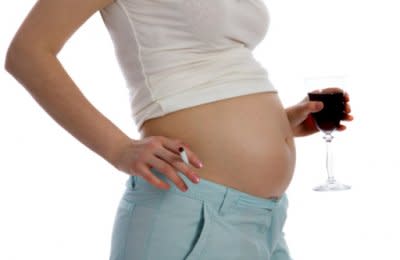
If you're pregnant, it's easy to get paranoid. Every aspect of your daily routine presents risks, from the food you eat to the way you sleep. But don't stress about it. That's bad for the baby too. With new studies everyday and unverified advice from friends and family, it's easy to get bogged down with information. Just last week, women who believed they shouldn't drink through their pregnancy were advised in a study it may not be a bad idea. In a survey of 11,000 British mothers who drank in moderation during pregnancy, the majority found no harmful side effects and a reduced rate of hyper-activity in the children
later. But the study's methods have already been challenged and moderate drinking means different things to different people. Confused yet? Let's get back to the basics. How risky are our routine products and practices when it comes to pregnancy? Consider the basic facts.
Fish: The sea becomes the great unknown when you're eating for two. To be on the safe side, the Mayo Clinic recommends cooking all your fish to 145 degrees inside and out. It's also safe to limit yourself to 6 ounces a week.
High risk: Larger, older fish with high levels of mercury can damage the developing nervous system of a fetus. Currently the FDA and the Environmental Protection Agency urges pregnant women to avoid the following fish: swordfish, shark, king mackerel, tilefish, raw fish or seafood, smoked salmon or other cured fish.
Low risk: Protein-rich seafood is helpful in brain development, when consumed in moderation. Shrimp, canned light tuna (limit albacore tuna and tuna steak to no more than 6 ounces or 170 grams a week), salmon, pollock, catfish.
Meat: The principle behind any meat concerns is avoiding bacteria since pregnant women are more likely to be susceptible. But the guidelines are fairly intuitive-stay away from food that's been sitting out a while and make sure everything is cooked through.
High risk: Refrigerated meat-based spreads and raw, pre-stuffed poultry should be avoided as they tend to breed more bacteria. Deli meats and hot dogs should be cooked to steaming temperatures or just skipped to avoid the food-borne listeria. Liver is high in vitamin A which can cause birth defects if consumed in large quantities.
Low risk: Any poultry or meat that's fresh, well done and cooked through is safe to eat.
Eggs/Dairy/Cheese: They're protein-rich, satisfying and reasonably priced but after this recent salmonella scare, are they really worth it? And what about dairy products? When the word pasteurized enters the equation, the rules get complicated. The pasteurization process kills listeria, a food-borne bacteria that can cause infection and miscarriages. With pregnant women 20 times more likely to contract the bacteria, the risks are real.
High risk: Unpasteurized milk or cheese is off limits. Eggs Benedict, eggnog and certain sauces that involve partially cooked eggs, aren't worth the risk. Brie, Feta, Camembert, blue cheese, Mexican-style cheeses are all potentially hazardous. For safety and piece of mind, only consume something that says "pasteurized" on the label.
Low risk: Hard-boiled eggs, cottage cheese, cream cheese, yogurt are safer bets. Hard cheeses like cheddar and Swiss are more likely to be pasteurized, but make sure you check the label.
Beverages: Liquids can be just as risky as solid food. But filtered water doesn't have the same appeal as say, a Diet Coke or even glass of wine. Know what's worth the risk.
High risk: Multiple cups of coffee daily: The Mayo Clinic recommends consuming less than 200 milligrams, or one cup, a day. Caffeine can effect the baby's heart rate and growth, and possibly contribute to miscarriages and stillbirths. Alcohol: Any liquor in the first 3 months can jeopardize your baby's well-being and regular drinking throughout the pregnancy is just a bad idea. Studies have found it leads to stillbirths, heart problems, facial deformities, mental retardation and slow growth. Even moderate drinking may contribute to slowed development. When it comes to wine or beer, one drink a week after the first trimester isn't expected to do much damage. But it's not recommended by the Mayo Clinic.
Medium risk: Herbal teas: More research is needed on different types of herbal effects but at least one of them, red raspberry leaf, may cause contractions. Saccharine, still found in Sweet n' Low and some diet sodas, can lead to birth defects in studies on rats, so skip it.
Low risk: Diet sodas that contain aspartame: No negative effects have been reported if limited to one can a day. The only risk is from another ingredient in diet beverages called phenylalanine. "Women with a condition called phenylketonuria (PKU - for which your baby will probably be screened for at birth), a rare hereditary condition in which the amino acid phenylalanine is not properly metabolized, are at risk because high levels of phenylalanine can cause damage to the fetus," warns nutritionist Allison Gamble in the magazine, Pregnancy Today.
Depression: Because of a variety of factors including hormonal changes, physical discomfort and increased stress, depression can rear its ugly head for up to 23 percent of pregnant women in the US. The change in mood affects proper eating habits, exercise and sleep patterns crucial to the baby's development. And the latest research says the ripple effect of risks can be high. Premature delivery and low-birth weight increased in depressed women, according to a report this month in the Archives of General Psychiatry. When depression gets really bad, antidepressants can be helpful. But are they safe to take during pregnancy? "Overall, the risk of birth defects and other problems for babies of mothers who take antidepressants during pregnancy is low," writes Dr. Roger Harms of the Mayo Clinic. "Still, few medications have been proven safe without question during pregnancy and some types of antidepressants have been associated with health problems in babies."
High risk: Paxil, Nardil and Parnate are a few antidepressants that pose major health risks for a fetus.
Medium risk: Prozac and Zoloft are both administered to pregnant women suffering from severe depression, especially in the first two trimesters and the risks are low. Persistent pulmonary hypertension in newborns (PPHN) has been linked to the antidepressants when taken in the third trimester. Wellbutrin, the quitting smoking aid and anti-depressant, has yet to show any negative side effects on the fetus, according to the Mayo Clinic, but that may be due to limited research.
Exercise: Bad news for couch potatoes hoping to spend the next nine months in a horizontal position: exercise is crucial. Working up a sweat once a day, for about 30 minutes, is important for a healthy pregnancy regimen. But don't overdo it. The first step is checking with your doctor for recommendations catered to your own body's comfort level.
High risk: Before you lace up your sneakers, consider your own health. Exercising should be done with great caution if you're a pregnant woman with poorly controlled diabetes, high blood pressure, heart disease, or placenta previa. Lifting heavy weights, and exercising to exhaustion no matter what shape you're in can be dangerous for the fetus.
Low risk: 30 minutes or less of moderate exercise is healthy for most. Walking, swimming, rowing and stationary cycling are best, since they don't exert too much impact on the joints.
Flying: Babymoon anyone? Be sure to plan accordingly. While flying is fine at certain points in the pregnancy, keeping hydrated and stretching to increase circulation is crucial.
High risk: Flying after 36 weeks isn't recommended for fear of miscarriage or premature delivery. Also airborne radiation exposure poses a risk to frequent fliers, based on studies of miscarriages in flight attendants.
Low risk: Flying between 14 to 28 weeks presents the lowest risk of miscarriage, so get your last trip in before you're flying with a screaming baby. And an occasional flight won't present any radiation risks. "Decreased air pressure during flight may slightly reduce the amount of oxygen in your blood, but your body will naturally adjust," explains Dr. Harms. "And although radiation exposure increases at higher altitudes, the level of exposure for the occasional traveler isn't a concern."
Wellness and beauty products: Your medicine cabinet is not your friend. If you're pregnant, you might want to clear it out and do a fetus-friendly shopping spree at your local drug store.
High risk: Accutane: A study by the Organization of Teratology Information Services (OTIS), found approximately 25-35% of infants born to women exposed to the acne medication during the first trimester of pregnancy showed a pattern of birth defects. Miscarriage is also a risk. Retin-A: Check your anti-aging creams and makeup foundations for this chemical. It can pass through the blood stream to the baby, and the effects are still unclear. Tetracycline: Bone growth and coloring problems have been shown in some fetuses as a possible result of the drug, according to BabyCenter's pregnancy guidelines.
Medium risk: Salicyclic acid: It's been shown to cause birth defects but doctors have deemed it safe for once a day use in a product like a toner or a foundation with low doses of the chemical.
Low risk: Sunscreen products with the "active soy" ingredient as opposed to "soy" are less likely to discolor skin like estrogen-rich soy products. Any make-up labeled "mineral-only," "noncomedogenic" or "nonacnegenic" means it's lightweight, oil-free and won't travel through your blood stream and infect your baby with harmful chemicals.
